FINAL PROJECT / UNIVERSIDAD DE BELGRANO, ARGENTINA
Improving the volunteer application process through research
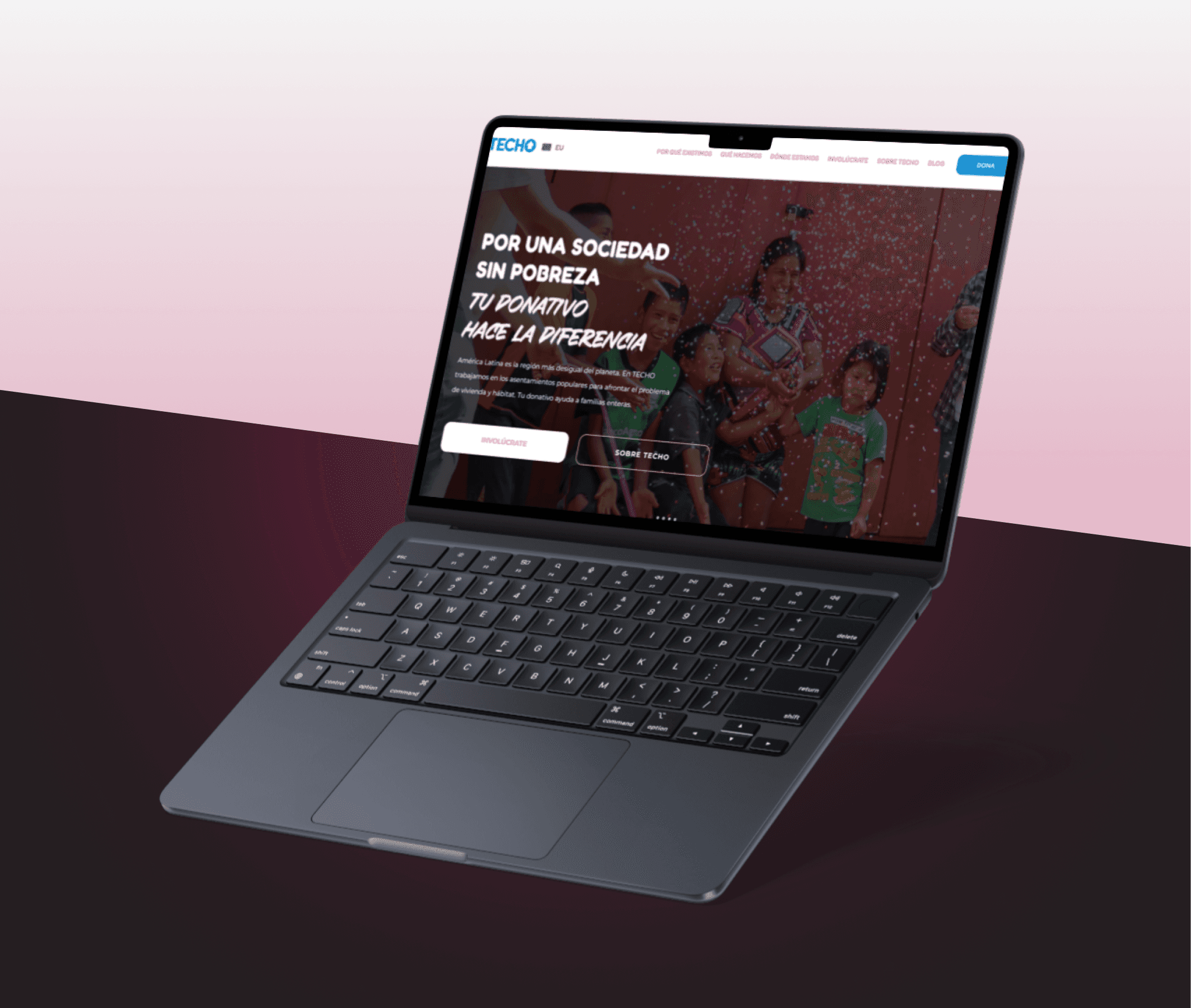
TECHO is a non profit organization that, in joint action between residents and youth volunteers; improves housing and habitat conditions through the design, management and housing construction projects, access to basic services and community infrastructure.
Role
Researcher
Date
2024
From zero to launch while navigating constraints such as
Entry level members
Time zone differences
Recruitment
Tight deadlines
Rapidly upskilling
We wanted to ask 5+ users from Europe to navigate TECHO’s volunteer section
Here is where the first challenge emerged:
I realized that finding Europeans from a desk in Latin America was easier said than done. I proposed to tackled this by joining several online communities and reaching out to contacts in Spain that matched our criteria. Here’s what happened after we successfully conducted the usability test:
60% of participants
Hesitated for at least 10 seconds before completing the tasks, asking questions about how to proceed. Key barriers:
Language.
Trouble finding the available volunteer program.
Difficult terminology.
60% of participants
Thought that having testimonials on the website could increase credibility.
40% of participants
Used their phones for the activity, sharing with us navigation challenges they experienced in the mobile version of the website.
Clear gaps between stakeholder priorities and reality were revealed
Attracting more Europeans with basic Spanish knowledge
Most of the interested participants, lacked this skill. As a result, 3 of them couldn’t complete the tasks because some pages were in a language they didn’t speak.
Mobile was not important for stakeholders, based on their preferences
Conducting the activity with users that joined with their smartphones, showed us that stakeholders assumptions are not always aligned with users’ decisions.
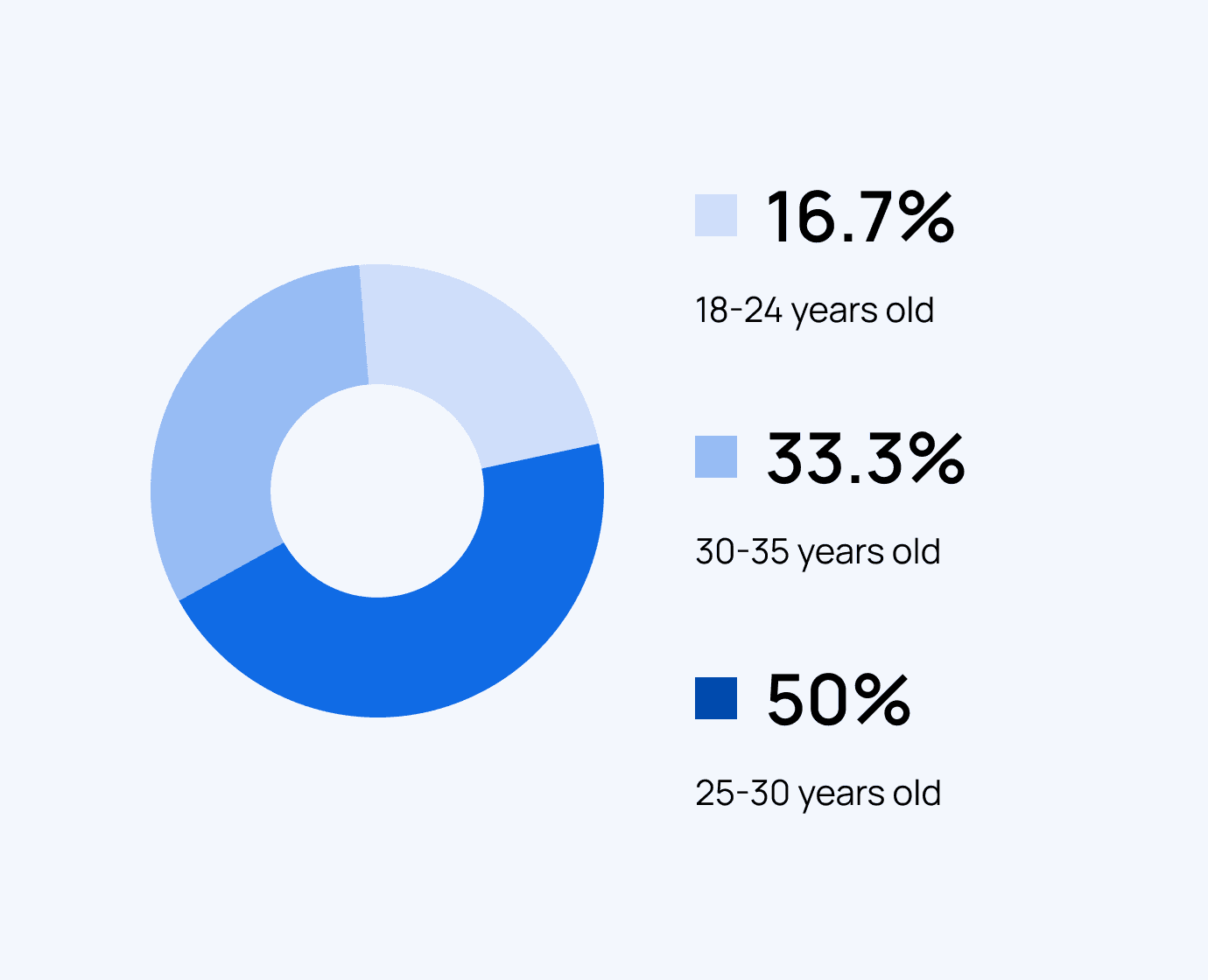
Age was seen as a barrier by stakeholders, with the assumption that those over 25 wouldn’t be interested in volunteering in LATAM
We still needed to learn what truly motivated people to volunteer
I organized the team based on availabilities, to create a questionnaire and interview 6 Europeans. We followed the same dynamic to find people
Questions were focused on their experience, what they find attractive when applying to a volunteer program, their motivations, and if factors like financing and safety played a decisive role. Some of the findings were:
Information is clear but it doesn’t connect with all the different audiences.
Safety is not a decisive factor in volunteering.
The organization could also benefit from offering non traditional options for volunteering.


TECHO offered the same message to all their different users
This impacts negatively when trying to attract a new audience
On the other hand, I thought that safety was a decisive factor for Europeans when choosing a volunteer experience in Latin America, but based on the insights, they don’t pay too much attention to that. This was interesting because it refuted one of my assumptions.
After 9 months of classes and work, we defined our recommendations
Reaching New Audiences
Defining and implementing more diverse communication strategies to impact and attract new segments wanting to participate.
Consider every stage of life, values, and personal motivations
Information should align more with the expectations of different profiles, not just the youth and student archetype.
Offer more flexible and personalized experiences to attract more people
There is a wide range of volunteering options, from people looking for cultural exchange to those only interested in personal development and social impact.
Build a strong connection with the audience
Connect with audiences through what they value.
My learnings along the project
When we started working, I expected to focus on Research
A week later I realized we needed to fill an unexpected leadership gap to move forward. Leading wasn’t my plan, but accepting it taught me how to bring out my team’s strengths, delegate effectively, and refine my skills.
Strategically assign tasks based on experiences and skill levels.
After a few days of working together, we got to know each other and realized some of us had different professional backgrounds and seniorities. So, I had to keep everyone aligned toward our shared goal based on their diverse expertise.
Learn from my teammates professional path
We not only networked and built strong connections but also shared methodologies, tools, and advice.
Endless thanks to the team behind this
Good results come to life through collective effort. We moved toward a shared goal with dedication in every step, turning challenges into opportunities and ideas into reality.